All posts by IN ThessnA

Women sing the elementary school in the Athens Concert Hall

The Athens Concert Hall presents the concert "Women's Voices in Folk Song" on Wednesday, February 29 2012.

The concert is dedicated to the leading performer Domna Samiou. A woman who has written history in the field of our folk song, so with her voice, the ethos, her style and authentic performances as well as her thorough knowledge of the subject of our traditional music through her many years of research and recording.

With songs of the cycle of life(lullabies, of marriage, of strangeness, obituaries) but also oldest narrative ballads with dramatic content (excuses) that refer to ancient drama we meet women in the folk song tradition. Priestesses at the "passport" ceremonies (related to birth, the wedding, death and communication with supernatural elements), women manage a very wide range of songs with strongly symbolic content and functions.

"Women's Voices in Folk Song", "media of communication" between the real and supernatural worlds, have the first floor at the fourth concert in a row of the Tribute to the Masters of Greek Traditional Music - edited by Lambros Liavas – which will take place on Wednesday 29 February, at 8.30 at night, in the Christos Lambrakis Hall. The Masters of Greek Folk Music Series is part of the Hellenic Music Circle.

Savina Giannatou, Katerina Zakka, Maria Koti, Katerina Papadopoulou, and Yasemi Saragouda take us on a journey through tradition with songs from Epirus and Crete to Asia Minor.

With the masters of our traditional music (Saragouda, Arkadopoulos, Sinopoulos, Tsiamoulis et al.)

The women from New Eritrea dance and sing

The selections in the concert cover many different musical genres from all areas of Hellenism as well as different singing techniques. Entries include 'professional' singers – Savina Giannatou, the great contemporary performer who has been identified in our consciousness with "world music", the original performer of Epirus songs, Katerina Zakka, the Heraklion singer of the band "Chainides", Maria Koti, Katerina Papadopoulou who travels us to the distant Pontus and her special homeland, Yasemi Saragouda of Smyrna (wife of the leading folk master of the outi Nikos Saragouda who will accompany her on stage), great performer of the Asia Minor song – as well as ordinary women who sing and, simultaneously, they dance at celebrations, customs and rituals but also in their daily life as it happens with the Women from New Eritrea.

On their side they still appear

the musicians Alexandros Arkadopoulos (clarinet), Socrates Sinopoulos (Pontic and civil lyre, civil lute), Christos Tsiamoulis (oud, lute), Panos Dimitrakopoulos (rule), Stella Valasis (zither) and Kostas Meretakis (crust).

The ethnomusicologist, professor of the University of Athens and president of the Museum of Folk Instruments, Lampros Liavas, puts his signature on the editing of the tribute which gives the public the opportunity to come into direct contact with top masters of our popular tradition who present representative pieces from many regions of Greece as well as from the "edges of Hellenism" (Asia Minor, Point, Cappadocia).

In the fourth consecutive concert of the Tribute to the Masters of Greek Traditional Music, women from different generations, places and "schools" of folk song, "professionals" and non, sometimes they perform in a traditional style and sometimes with ethnic shades representative samples of their art, with selections from the repertoire of land and sea Greece as well as from the "Edges of Hellenism" (Asia Minor, Point).

The evergreen Yasemi Saragouda comes from an old musical family of Smyrna, performs traditional Asia Minor songs – something he does from the 16 her years – accompanied by her husband, of top player Nikos Saragouda.

The deep connoisseur of Epirotian obituaries and foreign singer Katerina Zakka communicates through the authenticity of her interpretation the feeling of pain and loss of the woman who is left behind saying goodbye to the dead or the runaways.

Katerina Papadopoulou takes us on a journey to her special homeland, performing songs from Pontus, Constantinople and the neighboring Aegean, with her husband, Socrates Sinopoulos, to accompany her on the Pontic and political lyre and the political lute while the singer of the "Chainides", Maria Koti,  transports us to Crete by performing "Tambachaniotika" or otherwise "Cretan rebetika": urban folk songs that combine Asia Minor with the Cretan musical idiom in a unique repertoire.

The very special role of the woman as "priestess" in the "passport" ceremonies (such as the "lullabies" associated with birth, wedding songs or obituaries) and narrator in ancient ballads with dramatic content (excuses) that refer to ancient drama, has the great performer and composer Savina Giannatou, our modern "voice of the Mediterranean and the world", as they have called her.

At the climax of the evening, the Women from New Eritrea – a distinct group of "girlfriends" originating from Ionian Erythraia in Asia Minor, which in their daily life organize on a regular basis genuine Asia Minor feasts and rituals, promise to sway with song, their music and dance – the elements, that is, who make up the "equal and indivisible trinity of our popular culture" - the audience of Megaros, inviting it to become a communicant of a philosophy of life that obeys active participation and authenticity of expression.

 Source : culturenow.gr

The unique Linda Tali for the first time in Greece

Canada's most beautiful voice, the Algerian-born performer Lynda Thalie comes to Greece for the first time, for a unique concert in Athens on Thursday 15 March at the French Institute but also a unique one in the co-capital on Monday 19 Of March 2012. Lynda Thalie's concert is the opening event of this year's Festival de la Francophonie and is being held with the support of the Embassy of Canada.

Singer, lyricist, composer and writer, Lynda Thalie is considered one of Canada's leading contemporary performers, as she incorporates in her songs the cultural diversity of the country that adopted her. At the same time, he is considered a complete artistic personality with active involvement and interventions in matters related to art and culture.

The special – without borders – her musical style that marries with inspiration and special grace the western sounds with the sounds of North Africa and the Middle East, has given it a cosmopolitan artistic character.

Naturalized Canadian, daughter of a political prisoner who is still missing today, he literally escaped from Algeria, from “fear, the impasse, the oppression and despair that lead you to suicide", as she describes in her relevant autobiography which has already become a bestseller. This traumatic experience may have pushed her to actively participate and fight for women's rights even today, for "the women of North Africa to first acquire a unified - public voice through their own distinct voice".

He has collaborated with important artists such as Enrico Macias, o Rachid Taha, o Tony Levin, o Michel Rivard,  o Luc de Larochelliere και o Yann Perreau.

It has received important distinctions such as the "Ma premiere Place des Arts" awards, «Distinction», «Radio-Canada», while she was nominated for "World Music Album of the Year", at 'Sounds of Blackness Award' and 'ADISQ'.

From her first recording appearance (Hourglass 2002) up to the well-known "Histoire d' un amour" and "La rose des Sables", her albums sell thousands of copies, while on her tours both in Canada, as well as abroad, suffocating sold outs are always created.

Always in the context of the celebration of Francophonie, in two magical evenings, at 15 March at the "French Institute" of Athens and on 19 March at "Olympion" in Thessaloniki, Lynda Thalie promises to introduce the Greek audience to her own musical world.

Source : culturenow.gr

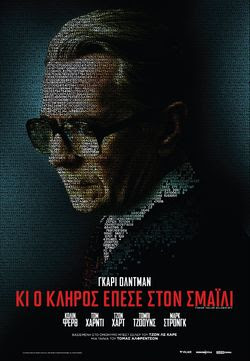
WE RECOMMEND : "And the Lottery Fell to Smiley"

Gary Oldman, Colin Firth and Tom Hardy lead an all star cast in a sensational, spy thriller, which is a film adaptation of John Le Carré's best-seller of the same name.

George Smiley, a recently retired MI6 agent, he makes honorable efforts to adapt to his new life, outside the secret services. When a corrupt agent will make his appearance again, informing that there is a "stud" in their circles, Smiley will be forced to re-enter the grim world of espionage. His mission… to investigate which of his former trusted associates, betrayed both himself and his country.  His investigation will focus on four suspects – all of whom are experienced and successful agents – but past enmities and friendships, they will make it difficult to identify what is eroding the integrity of the British service from within.

The book, on which the film is based, published in Greek by Kastaniotis publications, entitled "And the Lot Fell on Smiley".

Reviews

Reviews of the Greek press

“Argon, ritual rhythms and labyrinthine script path spy thriller at its best - a la 60s and 70s- delivery of the species. Real directorial finesse from Swedish master Thomas Alfredsson, with a quietly melancholy, great Gary Oldman” – Athinorama

“…Based on the novel by John Le Carré, the quintessentially British, in style and style, mystery thriller, premiered at the Venice Film Festival, φιγουράρει στα φετινά βραβεία και είναι υποψήφια για τρία Οσκαρ…” – Flix.gr

“…"And the Lottery Fell on Smiley" is a very beloved film for those who of course love the atmosphere of the Cold War films that excelled in its decades 1960 and his 1970. You can't overlook that everything in the costumes and sets is carefully placed, has a reason to exist, it matters_ objects are living organisms…” – The Step

Reviews of the foreign press

“It perfectly conveys the style of the 70s and reminds of a good old school movie” – Washington Post

“A movie about… big ones” – Boston Globe

“Alfredson's cool approach leaves you speechless” – Film.com

“Clever story full of puzzles and mystery” – New York Times

Watch the trailer

Source : athensmagazine.gr

Greek-German teenage alliance

Documentary film production workshop with Greek and German students during the crisis

What could be the result of a collaboration between Greek and German students?, the common characteristic of which is that they prefer to see the world through the lens of the camera; What would the Greek children like to show the Germans from their country; But also what would the Germans like to show the Greeks from their own country;
 
Questions like the above have been put on the table for a few months now through an ambitious plan of "cultural cooperation and exchange of hospitality" between Greece and Germany. Greeks in Germany and Germans in Greece under the veil of support of the Creative School in Bergis Gladbach, Germany (in collaboration with the Screenagers creative network), of the Goethe Institute of Athens and Story Doc, of the Greek educational institute for the promotion of the documentary.

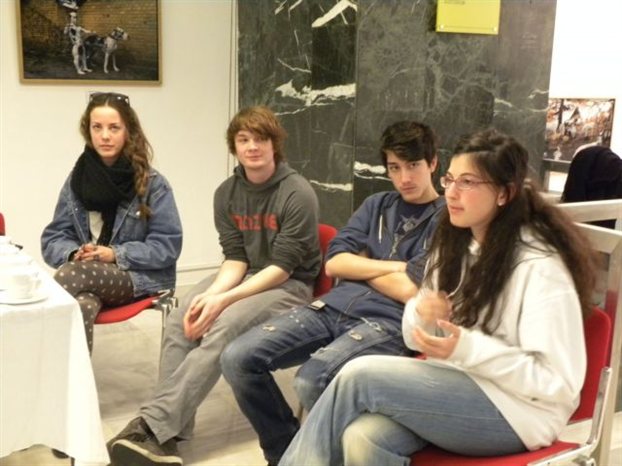
Six German kids from Bergis Gladbach, Cologne and six Greek kids from Athens (ages range from 15 to 20 years) shared endless hours in Athens and Bergis Gladbach for a joint exploration of their countries. The results are recorded by their cameras. Everyone's goal is to reveal unknown aspects of Greek and German life and reality in the time of the economic crisis.

In order to find the children who would represent Greece, visits were made to 22 schools of the Attica basin (indicatively the Zografou High Schools, Byron, Keratsini and Nea Ionia). During the seminars that followed in four schools (20 children per school), the "tremendous awareness of children in machines of digital capabilities" was noticed, said Mr. Costas Spyropoulos of Story Doc, who co-directed the seminars. “It was incredible to see how perfectly the children handled valuable cameras 27.000 euro". The children were selected based on the script they had written, while the production direction of the overall program is Dieter Bongaardz, German screenwriter, documentarian and writer and his compatriot Vera Scheffler who runs the film institute in Greece and Germany. From the Greek side, the participation of the Goethe Institute is extremely important for the successful development of the project thanks to the tireless efforts of Mrs. Sofia Michailidou and the cultural events manager Mrs. Juliane Steiner.

Euro crisis and debt relief articles are multiplying at an alarmingly rapid rate and with them buried memories, prejudices and intolerances come alive again. The historical memories and experiences of the two world wars come to the fore, with the Germans once again playing a dominant role in a ruthless economic war that we now experience on a daily basis. Opinions and attitudes favor the generation of new conflicts. But also collaborations.

In yesterday's (Monday 20 February) presentation held at the Goethe Institute, Greek and German children participating in the process spoke to representatives of the press about their effort. "We are together to find a common language" characteristically said 18-year-old Michael. "We are not talking specifically about Merkel but we are working together and that is the important thing".

"We all know what's happening in Greece because the Mass Media take care of it," 15-year-old Anastasia told us. “But the news of civilization does not travel. It wouldn't matter to talk about Merkel. Better to learn what you don't know than to reproduce what you do know".

Therefore, the unknown aspects of the social life of both countries were in the priorities of the four-member teams who undertook the creation of the films. The ultimate goal of the effort is mutual understanding and contribution to an inter-ethnic/intercultural dialogue in order to overcome prejudices, misinterpretations, even hostilities, which are cultivated, sometimes exaggerated in the public sphere by opinion leaders and individual media outlets.

The first and second films were shot in Germany. At one, through the personal stories of two young people we follow the events in a house under occupation in Cologne. The second film shot in Germany concerns the activities of a musical band created by second-generation Spanish immigrants with Cuban roots.. Their parents were in their thirties during the Spanish Civil War when they immigrated to Germany.

The subject of the third film is the meeting itself 12 children who program. The first part of it was shot in Germany and the second will be shot here by the same group. The core of the second part will be the revelation to the Germans of how hard a 17-year-old Greek student works while trying to enter the University.

Future film plans to be shot in Greece will be a film about an astronomer set against the backdrop of the Observatory, one for the case of a teacher who teaches hearing impaired children free of charge and one for the construction of the footbridge in Kifissia at the height of the College from the voluntary work of the students and donations from the family who lost their child at the same spot.

"We went to Germany to dispel stereotypes," said 16-year-old Marianna. "To show that we can do things together".
The recent events in the center of Athens with the destruction of the Atticon hall and other buildings, they did not discourage the children. On the contrary, one of the projects they would like to work on is a film about the buildings between Syntagma and Omonia. "The attack on the halls brought out a different one “quality” violence," said 21-year-old Ruben, one of the oldest children in the group.

What does Greek mean to Germans and what does the opposite mean?; "We cannot judge two nations by the behavior of two heads of state, i.e. two people" believes Anastasia. "Things must be said objectively. Judgments should be everyone's business." For Michael, however, "Greeks have ugly gray buildings, but inside you are colorful. On the contrary, we have beautiful buildings but inside we are gray".

"I have heard of the Germans that they are arrogant, narrow-minded, with absolute ideas for the Greeks" says 15-year-old Eleni for her part. “Gee’ they think that all Greeks are lazy, irresponsible and thinking only of their own interests".

Maybe with this joint effort, some will begin to think differently.

Source : tovima.gr

Kostas Gavras: "Greece is a victim"

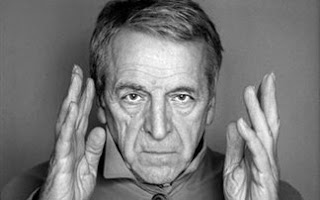
The Greek director Kostas Gavras, known for his film Z, spoke yesterday from Paris about the consequences of the crisis in Greece, giving a gloomy picture of what he thinks is happening in Europe at the moment.

 The director referred to a new world war, with the economy as the battlefield and Greece as the first victim.

"Greece is one of the first victims of an economic war. This is the third world war" said Kostas Gavras, who participated yesterday in the support events for Greece. The famous director spoke harshly about Germany:

“All the atrocities of the Germans, the brutality, it is something incredible how the Germans went to such extremes. Those who sold so many things in Greece, who caused so many scandals in Greece, paying each other to buy their products. They forget that now. Ms. Merkel doesn't care," he said characteristically.

According to Gavras, "this terrible crisis can be a very good opportunity to fundamentally change the Greek state. Those who didn't pay taxes, those ministers who received gifts from’ the foreigners. These are all unacceptable things, these must change substantially".

Kostas Gavras also referred to the phrase "we ate together" by Theodoros Pagalos, stressing that “We didn't all eat them together. Those at the table ate them. The others had crumbs around them and today those who had crumbs have nothing. This is the great drama in Greece".

End, the director wished the Greeks "courage and optimism" saying that "this misery too will pass".

Source : protothema.gr

Year of Brettakos 2012

100 Χρόνια Από τη Γέννησή του

Στίχοι από ποιήματά του θα προβάλλονται σε οθόνες στις 21 Of March, ενώ θα εκδοθούν σειρά γραμματοσήμων και βιβλία αφιερωμένα σε εκείνον

Εχω ήδη αφήσει την καρδιά μου στη γη / να χτυπάει μονάχη της. (Αυτό είναι άλλωστε / η ποίηση). Να μπορούν να την έχουν / στις σάκες τους τα παιδιά, να την μετακινούνε / οι ταξιδιώτες. Κ΄ οι πικραμένοι / που ξέμειναν από ήλιο, ν΄ακούν / το φλοίσβο του μέσα της. Είναι από τους στίχους του Νικηφόρου Βρεττάκου που θα προβάλλονται στις οθόνες του μετρό, του ηλεκτρικού και του τραμ στις 21 Of March, για την Παγκόσμια Ημέρα Ποίησης.
Η βαθύτατα ανθρωπιστική ποίηση του Βρεττάκου, η ευαισθησία και η οργή του για την αδικία, θα συναντήσουν τον σημερινό Ελληνα της χρεοκοπίας και της απογοήτευσης.
The 2012 έχει ανακηρυχθεί Ετος Νικηφόρου Βρεττάκου, on the occasion of 100 χρόνια από τη γέννησή του (1912, Κροκεές Λακωνίας), εορτασμός που συμπίπτει με τα 21 years since his death (1991).
Από τους σημαντικότερους εκπροσώπους της νεοελληνικής λογοτεχνίας, ο Βρεττάκος συνέδεσε τη ζωή και το έργο του με τις πνευματικές, πολιτικές και κοινωνικές αναζητήσεις του ελληνισμού στο δεύτερο μισό του 20ού αιώνα.
Συναισθηματικός, υπερασπιστής της δικαιοσύνης, της ελευθερίας, της ισότητας, της φύσης, ένιωθε να αδυνατεί να διατυπώσει τον πλούτο του κόσμου με λέξεις. Ο άνθρωπος, έλεγε, είναι «το ζων ύδωρ».

His work, τιμημένο με πολλές διακρίσεις (Κρατικό Βραβείο Ποίησης 1940, 1956 and 1982, Βραβείο Ιδρύματος Ουράνη, Αριστείο της Ακαδημίας Αθηνών, της οποίας έγινε τακτικό μέλος το 1986 κ.ά.), θα αποτιμηθεί εκ νέου σε επιστημονικό συνέδριο που σχεδιάζουν για τις 9-10 Νοεμβρίου το Εθνικό Κέντρο Βιβλίου και το Μουσείο Μπενάκη.
Εκεί θα συζητηθούν, also, η συνάντηση της ποίησης με την ιδεολογία και την ιστορία.
Ο Βρεττάκος υπήρξε μαχητής της ζωής και αγωνιστής της Αριστεράς. Πήρε μέρος στον Ελληνοϊταλικό πόλεμο 1940-1941 και μετά στην Εθνική Αντίσταση μέσα από το ΕΑΜ. Στην περίοδο της δικτατορίας αυτοεξορίστηκε στην Ευρώπη.
Εκδηλώσεις

Το Ετος Νικ. Βρεττάκου θα εορταστεί με διάφορες εκδηλώσεις του ΕΚΕΒΙ, σε συνεργασία με φορείς και ιδρύματα, όπως με την Εταιρεία Συγγραφέων, σε μια βραδιά ποίησης και μουσικής (21 Of March, Bacaro). Δραστήρια συμμετοχή θα έχει και η Δημόσια Βιβλιοθήκη Σπάρτης, όπου με επιθυμία του ιδίου του ποιητή και με τη φροντίδα του γιου του, σκηνοθέτη Κώστα Βρεττάκου, έχει δοθεί το αρχείο του (6.000 books, προσωπικά αντικείμενα, 3.600 δημοσιευμένα ποιήματα, 4.000 manuscripts, 950 επιστολές κ.ά.). Η Βιβλιοθήκη σχεδιάζει ενδιαφέροντα εκπαιδευτικά προγράμματα, ενώ τα ΕΛΤΑ θα εκδώσουν σειρά γραμματοσήμων αφιερωμένων στον ποιητή.
Το ΕΚΕΒΙ προγραμματίζει ακόμη ένα θεματικό περίπτερο, ψηφιοποίηση υλικού από το Αρχείο Ν. Βρεττάκου, μια κινητή έκθεση?αφιέρωμα, στήριξη μεταφράσεων έργων του κ.ά.
also, τρεις νέες εκδόσεις για τον Νικηφόρο Βρεττάκο αναμένονται εντός του 2012, ένα λεύκωμα με σπάνιο και ανέκδοτο υλικό, τέσσερα τομίδια με σημειώσεις και κείμενα, καθώς και μια επιλογή από την επιστολογραφία του (ed. Ποταμός).

Source : ethnos.gr

Greece is on everyone's mind

The Greek crisis monopolized the interest at the 62nd Berlinale

"Congratulations, Gentleman" ("Congratulations, Sir"). Monday noon on the fourth floor of the "heart" of the Festival, in the Berlinale Palast hall. Vittorio Taviani takes out his briefcase and says the above words to me as he shakes my hand tightly as he bids me farewell. Our interview with his brother Paolo has preceded.
The inseparable duo of veteran Italian creators ("Father Master", "Chaos", "Alonzanfan") was in Berlin for the presentation and promotion of the movie "Caesar Must Die". But when they heard that someone from the small group of journalists in front of them was Greek, showed undivided interest. «The Greece, the Greece…Vittorio murmured plaintively.

It had only been a few hours before the night Athens turned into hell. The nightmarish images had been beamed across the planet and the Taviani were aware, like everyone else. "A lot of bad things in Greece at this time" Paolo Taviani told me. “I still mourn the good man, my very good friend, this great director and man, Theodoros Angelopoulos. And now this disaster… In Italy we are afraid. We are afraid of what we see happening in Greece and what we cannot predict will happen. Maybe I'm naive, but I still believe in Europe, in the European Union and in the capacity of this institution, through capital and banks, to solve the problem of debt and the financial crisis".

"Spain's position is worse"
This year in Berlin, every time you said you were from Greece, the looks were changing. Αλλοι έκαναν χιούμορ (μαύρο), άλλοι έπαιρναν ύφος θρηνητικό, άλλοι απορούσαν που με έβλεπαν εκεί, ενώ κάποιοι ήταν της γνώμης ότι η Ελλάδα υπήρξε ο εύκολος στόχος, ο αδύναμος κρίκος, the scapegoat of the European Union.
Talking to Spanish actor Juan Diego Boto, who played the inquisitor in "El Greco" by Yiannis Smaragdis (and whom we will see in the latter's next film "And God Loves Caviar"), I was surprised by the severe criticism he leveled at his own country: «Η θέση μας είναι χειρότερη από τη δική σας, γιατί σήμερα στην Ισπανία η γνώμη του λαού δεν μετρά καθόλου» είπε ο Μπότο φέρνοντας ως παράδειγμα την απαίτηση της Ευρωπαϊκής Ενωσης να εντάξει η χώρα του στο Σύνταγμά της τον έλεγχο του ελλείμματός της.
«Το Σύνταγμα της Ισπανίας απαγορεύει τις αλλαγές αν δεν ψηφιστούν από τον λαό. Αυτό που έκαναν λοιπόν ήταν να αλλάξουν το Σύνταγμα έτσι ώστε να μη χρειάζεται να ρωτηθεί ο λαός. Αλλαξαν το Σύνταγμα για να μπορούννα αλλάζουν το Σύνταγμα. Μετά από αυτό σταμάτησα να πιστεύω σε ένα σύστημα απάτης».

«Η μόνη λύση, να καούν οι δρόμοι»
«Η γνώμη μου είναι ότι η κατάρρευση του κομμουνιστικού συστήματος δεν μπορεί παρά να οδηγήσει στην κατάρρευση και του καπιταλιστικού» μου είπε ο γερμανός σκηνοθέτης Κρίστιαν Πέτσχολντ, ο οποίος επίσης διαγωνιζόταν με την ταινία «Barbara», την ιστορία μιας ανατολικογερμανίδας γιατρού (Νίνα Χος) που είναι αποφασισμένη να διαφύγει στη Δύση. «Η μόνη πραγματική ευκαιρία για να αλλάξουν τα πράγματα και να πεθάνει το σάπιο σύστημα που δεν ταλαιπωρεί μόνο την Ελλάδα αλλά ολόκληρο τον κόσμο βρίσκεται στα χαμηλά στρώματα, στον ίδιο τον λαό. Αυτή όμως θα είναι μια πολύ αιματηρή επιχείρηση και ο κόσμος τη φοβάται, όπως τη φοβάμαι και εγώ».

Ο Πέτσχολντ πάντως είναι υπέρ των ακραίων διαδηλώσεων στην Ελλάδα. «Πρέπει να καούν οι δρόμοι, αυτή είναι η μόνη σας ευκαιρία» είπε αναφερόμενος στα γεγονότα της περασμένης Κυριακής. «Είδατε πώς αντέδρασε το Σοσιαλιστικό Κόμμα της Γερμανίας; Είναι εναντίον της καταπίεσης που δέχεται η Ελλάδα. Εμείς οι Γερμανοί πρέπει να δείξουμε αλληλεγγύη απέναντι στους Ελληνες. Οι εργάτες πρέπει να σταθούν στο πλευρό των εργατών. Αυτός δεν είναι ένας πόλεμος κρατών αλλά μια ένδειξη αλληλεγγύης ανάμεσα στους εργάτες όλων των λαών».

«Η απελπισία δεν αποτελεί επιλογή»
Το θετικό μέσα σε όλη αυτή τη δυσοίωνη κατάσταση είναι ότι μια ταινία που μιλάει ελληνικά εκπροσώπησε τη χώρα μας στο επίσημο διαγωνιστικό πρόγραμμα του 62ου Φεστιβάλ Βερολίνου. Τα «Μετέωρα» του Σπύρου Σταθουλόπουλου, συμπαραγωγή Ελλάδας / Germany, αναφέρονται στον έρωτα ενός μοναχού και μιας μοναχής των Μετεώρων (Τέο ΑλεξάντερΤαμίλα Κουλίεβα). «Ο καθένας έχει την άποψή του για την κρίση» είπε ο νεαρός σκηνοθέτης μιλώντας στους δημοσιογράφους. «Εγώ μπορώ να είμαι αντικειμενικός μόνο όταν βλέπω και ακούω ό,τι γίνεται μέσα στο ίδιο μου το σπίτι. Τα αυστηρά μέτρα λιτότητας έχουν επηρεάσει τους πάντες στην Ελλάδα, γεγονός που βίωσα βλέποντας τη σύνταξη της γιαγιάς μου να μένει μισή. For’ αυτό και αποφάσισα να της δώσω έναν ρόλο στην ταινία μου» κατέληξε προκαλώντας αρκετά γέλια στην αίθουσα. Αναφερόμενος στη δυσάρεστη φάση που περνά η Ελλάδα ο Τέο Αλεξάντερ στην ίδια συνέντευξη είπε την πιο ελπιδοφόρα κουβέντα. Ο ηθοποιός, ο οποίος αυτή την περίοδο κάνει καλή καριέρα στην Αμερική (παίζει ένα από τα βαμπίρ της επιτυχημένης τηλεοπτικής σειράς «True blood»), βρήκε τον τρόπο να συνδυάσει την ταινία με την πραγματικότητα: «Νομίζω ότι στην καρδιά τους ταΜετέωραλένε πως στις σκοτεινές στιγμές που ζούμε αυτή την εποχή η απελπισία δεν είναι επιλογή. Είμαστε τυχεροί που βρισκόμαστε ανάμεσα στους ζωντανούς. Και ως ζωντανοί έχουμε χρέος να μην το βάλουμε κάτω και να παλέψουμε».

Source : tovima.gr