Because it is worth reading the History that follows and is a translation of the text in Greek.
The peers of the generation 1950-1960 they will definitely enjoy it!!!
The peers of the generation 1950-1960 they will definitely enjoy it!!!
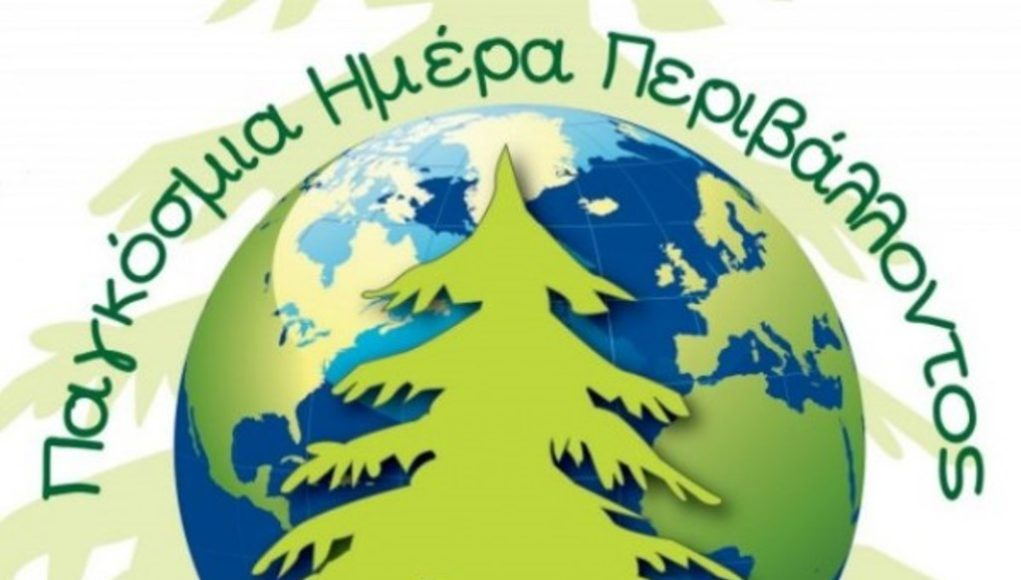
Η Ιστορία μας εξελίσσεται στο υπερκατάστημα.
****************************************
Πηγαίνοντας να πληρώσει φεύγοντας από το κατάστημα, η νεαρή ταμίας υπέδειξε στην πολύ ηλικιωμένη κυρία, how she had to bring her own shopping bags, because plastic bags are not good for the environment. The woman apologized to the girl and explained to her,
"Yes, we did not have this 'green' issue’ in my youth"… The young clerk answered,
"That is our problem today. Your own generation didn't care enough to save our environment for future generations." The old lady told her she was right –
"Yes, my generation didn't have that green thing’ in my time". Continue, to explain to her how it was then:
"Then, we were returning the glass milk bottles, of soft drinks and beer in the store. The store would send them back to the factory to be washed and sterilized and refilled, to be used again and again. So they were actually recycling them. But, δεν είχαμε το green thing’ στις μέρες μας… Τα μπακάλικα μας έβαζαν τα ψώνια μέσα σε καφέ χάρτινες σακούλες που χρησιμοποιούσαμε για πολλά πράγματα. Το πιο αξιομνημόνευτο – except for their use for household waste bags – was the use of brown paper for the cover of our school books. This ensured that public property (the books provided by the school for our use) they would not be disfigured by our smudges. So, we could give them our personal preference in appearance, onto the brown wrapping paper. What a pity, that we didn't green thing’ then. We walked up the stairs, because we didn't have an escalator in every shop and office building. We walked to the grocery store. We didn't ride a motorcycle 300 of horses every time we needed to cross two blocks. But you're right… we didn't have it "green thing" στις μέρες μας… Then we wash the baby's diapers, since we didn't have the disposable kind to throw away. We used to dry the clothes on a stretched rope, not in a devouring tumble dryer 220 volts of electricity. Wind and solar power did dry our clothes back then, στις μέρες μας. The children had second-hand clothes, from their brothers or sisters, and not always new clothes. But yes, my girl, you're right – we didn't have it green thing’ in the old days. Back then we only had one TV or radio in the house – not one TV in every room. And the TV had a small screen, the size of a handkerchief (Do you remember them? ), and not a room-sized screen. In the kitchen we mixed and stirred by hand because we didn't have electric machines to do it all for us. When packing a fragile item to mail, we used old newspapers to protect it, and not synthetic Styrofoam or plastic bubble wrap. Then, we didn't start an engine and burn gas to mow the lawn. We used a push mower that "burned" human energy. We used to work out, so we didn't have to go to a gym to run on electric treadmills. But you're right. We didn't have it green thing’ then. We drank from a tap or fountain when we were thirsty instead of using a glass or plastic bottle every time we drank water. We refilled the writing pens with ink, instead of buying a new one, and put a new razor in the shaver instead of throwing the whole thing away just because the razor blade wasn't cutting well anymore…. But we didn't have the 'green thing'’ then. Then, people took the tram or bus and children cycled to school – or they were walking – instead of turning their mothers into a 24-hour taxi service with their SUV $45.000 or the family van – which cost as much as a whole house.... before the green thing.’ We had a socket in every room, and not a whole set of sockets to power twelve devices. And we didn't need a computer gadget to receive a signal broadcast by satellites 23.000 miles out in space, to find the nearest hamburger shop.
****************************************
Πηγαίνοντας να πληρώσει φεύγοντας από το κατάστημα, η νεαρή ταμίας υπέδειξε στην πολύ ηλικιωμένη κυρία, how she had to bring her own shopping bags, because plastic bags are not good for the environment. The woman apologized to the girl and explained to her,
"Yes, we did not have this 'green' issue’ in my youth"… The young clerk answered,
"That is our problem today. Your own generation didn't care enough to save our environment for future generations." The old lady told her she was right –
"Yes, my generation didn't have that green thing’ in my time". Continue, to explain to her how it was then:
"Then, we were returning the glass milk bottles, of soft drinks and beer in the store. The store would send them back to the factory to be washed and sterilized and refilled, to be used again and again. So they were actually recycling them. But, δεν είχαμε το green thing’ στις μέρες μας… Τα μπακάλικα μας έβαζαν τα ψώνια μέσα σε καφέ χάρτινες σακούλες που χρησιμοποιούσαμε για πολλά πράγματα. Το πιο αξιομνημόνευτο – except for their use for household waste bags – was the use of brown paper for the cover of our school books. This ensured that public property (the books provided by the school for our use) they would not be disfigured by our smudges. So, we could give them our personal preference in appearance, onto the brown wrapping paper. What a pity, that we didn't green thing’ then. We walked up the stairs, because we didn't have an escalator in every shop and office building. We walked to the grocery store. We didn't ride a motorcycle 300 of horses every time we needed to cross two blocks. But you're right… we didn't have it "green thing" στις μέρες μας… Then we wash the baby's diapers, since we didn't have the disposable kind to throw away. We used to dry the clothes on a stretched rope, not in a devouring tumble dryer 220 volts of electricity. Wind and solar power did dry our clothes back then, στις μέρες μας. The children had second-hand clothes, from their brothers or sisters, and not always new clothes. But yes, my girl, you're right – we didn't have it green thing’ in the old days. Back then we only had one TV or radio in the house – not one TV in every room. And the TV had a small screen, the size of a handkerchief (Do you remember them?
 ), and not a room-sized screen. In the kitchen we mixed and stirred by hand because we didn't have electric machines to do it all for us. When packing a fragile item to mail, we used old newspapers to protect it, and not synthetic Styrofoam or plastic bubble wrap. Then, we didn't start an engine and burn gas to mow the lawn. We used a push mower that "burned" human energy. We used to work out, so we didn't have to go to a gym to run on electric treadmills. But you're right. We didn't have it green thing’ then. We drank from a tap or fountain when we were thirsty instead of using a glass or plastic bottle every time we drank water. We refilled the writing pens with ink, instead of buying a new one, and put a new razor in the shaver instead of throwing the whole thing away just because the razor blade wasn't cutting well anymore…. But we didn't have the 'green thing'’ then. Then, people took the tram or bus and children cycled to school – or they were walking – instead of turning their mothers into a 24-hour taxi service with their SUV $45.000 or the family van – which cost as much as a whole house.... before the green thing.’ We had a socket in every room, and not a whole set of sockets to power twelve devices. And we didn't need a computer gadget to receive a signal broadcast by satellites 23.000 miles out in space, to find the nearest hamburger shop.
It's not pathetic, the present generation to lament how wasteful we old men were, just because – and well- we didn't have that green thing’ then; Please forward this message to another selfish old man who needs a lesson in maintenance from a young smartass. We don't like being old anyway, so we don't need much to get our blood fired up… especially from a multi-pierced and tattooed smartass, who doesn't know how much change to give, without the cash register recording it…