Cyprus: Stolen heirlooms are returned from the occupied

With a very important decision of the Munich Court of Appeal

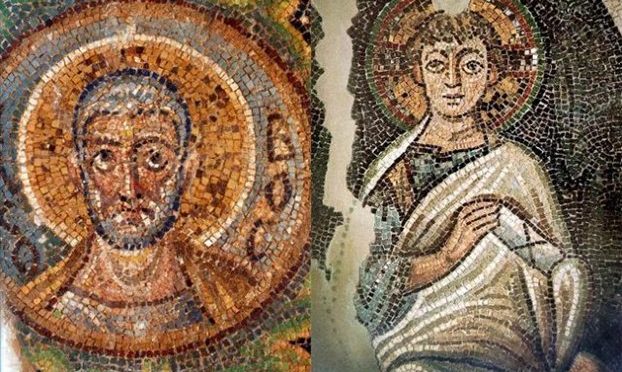
A big win, unfortunately only in a cultural context did Cyprus after the decision of the Munich Court of Appeal return them to the Church of Cyprus 173 ecclesiastical relics, such as pictures, mosaics, murals etc. a. which had been collected from temples and monasteries in the occupied territories, by the Turkish antiquarian Aydin Dickmen.
 
This is a case that has been pending for fifteen years as Dickman had managed to convince - partially of course - that the heirlooms belonged to him through legal tricks (!), so he demanded in return 6 million. euro. Decisive though, was the opinion of the German professor of Byzantine studies Mr. Johannes Dekker, who proved that the relics are works of Cypriot hagiographers.
 
Note however, that all the works seized from the hands of the Turkish antiquarian were 232 but the 60 they will still remain in Germany, as most are antiquities, for which Mr. Decker cannot comment.
Dikmen's greatest looting took place in the frescoes of the church of Agios Euphemianos in Lysi, which were bought by the Menil foundation in Texas but last year it was possible to return them to Cyprus as well as the 6th century wall mosaics from the church of Panagia Kanakaria in Lythrangomi.
 
Among the works that will be returned, however, are pieces of mosaics from Panagia Kanakaria, fragments of frescoes from Panagia Absinthiotissa in Synghari, like the head of St. Ignatius, heartbreaks too, frescoes from the church of Panagia Pergameniotissa in Akanthou, dating back to the 12th century, frescoes from the 9th century church of Agia Solomoni and from the church of Antiphonitis (approx. 1200 and the end of the 15th c.) as well as a large number of pictures and old manuscripts.
 
"These are works that come from about fifty different looted temples in Turkish-occupied Cyprus, which have been fully identified, while unfortunately a large part of them has not been fully identified due to incomplete files", reported by the Delegation of the Church of Cyprus to the European Union.
Moreover, with the same decision of the Court of Appeal, Dickmen must return to the Church of Cyprus approx 90 thousands of euros, which had been seized along with the heirlooms in his apartment in Munich by the Bavarian Police in 1997.
.
Source : tovima.gr

BBC 'sells out' Lonely Planet travel guides

American NC2 Media will acquire the drivers for 51,5 million pounds from BBC Worldwide, whom he had bought the 2011 130,2 million pounds.

The British BBC has decided to sell the Lonely Planet travel guides to an American group, and at a much lower price—reduced by almost 80 million pounds— from the one he had bought the publishing company from.
American NC2 Media will acquire the drivers for 51,5 million pounds from BBC Worldwide, the commercial arm of British public television. The acquisition of Lonely Planet by the BBC was done in two phases, the 2007 and 2011 and had cost in total 130,2 million pounds.
The BBC Trust, the BBC's watchdog, said that this buying and selling should become a lesson for the "significant financial losses" it caused.
BBC Worldwide's purchase of Lonely Planet was criticized at the time as falling short of the core aims of public broadcasting. Until then BBC Worldwide was limited to exploiting domestic television producers.
The Lonely Planet Company, which is headquartered in Melbourne, Australia, concerns 400 workers. It also has offices in London, California and New Delhi. The company's financial performance has deteriorated in recent years due to the appreciation of the Australian dollar, of the reorganizations in the publishing area and the global recession that affected tourism, notes the BBC in its announcement.
“The BBC will not make such acquisitions in the future.", BBC Trust vice-chairman Diane Coyle assured, stressing that Lonely Planet did not turn out to be a good investment.
Source : kathimerini.gr

Eugenia Manolidou: Κατέθεσε αγωγή εναντίον του Κώστα Βαξεβάνη

Αγωγή κατέθεσε η Eugenia Manolidou εναντίον του Κώστα Βαξεβάνη, κατηγορώντας τον πως την εμπλέκει στην υπόθεση της λίστας Λαγκάρντ λόγω της πολιτικής διαμάχης που έχει με τον σύζυγό της, Άδωνι Γεωργιάδη.

Η μαέστρος και παρουσιάστρια κινήθηκε και νομικά, μετά την προειδοποίηση που είχε κάνει μέσω του προσωπικού λογαριασμού της στο twitter. Τη μήνυση έφερε στη δημοσιότητα, το απόγευμα της Τετάρτης, η εκπομπή “Μίλα” της Τατιάνας Στεφανίδου.

Στην αγωγή της, η Ευγενία Μανωλίδου αναφέρει: «Ο εναγόμενος, Well, στην προσπάθειά του να συγκρουστεί πολιτικά με το σύζυγό μου, Άδωνι Γεωργιάδη, επιλέγει λέγοντας ψέματα να με εμπλέξει ως μέλος της λίστας Λαγκάρντ […] Η πραγματικότητα που γνωρίζει ο εναγόμενος είναι ότι πελάτης ήταν ο τότε σύζυγός μου ζωγράφος Μανωλίδης με τον οποίο εγώ βρισκόμουν σε διάσταση από το 2003, έχει εκδοθεί διαζύγιο από το έτος 2009, μετά από σφοδρή αντιδικία, η οποία μάλιστα είχε κορυφωθεί το 2005, γνωστή στα ΜΜΕ, άρα εν γνώσει του εναγομένου, που κάνει δημοσιογραφικό ρεπορτάζ και επομένως καλά γνώριζε ότι ουδεμία σχέση με το συγκεκριμένο λογαριασμό είχα ποτέ ή μπορούσα να έχω. Ο εναγόμενος γνωρίζει ότι ήδη έχω χωρίσει και έχω παντρευτεί εκ νέου με τον Άδωνι Γεωργιάδη και επιλέγει ως τίτλο του άρθρου “χρυσή πελάτης η οικογένεια Μανωλίδου” βάζοντας φωτογραφία εμένα με τον σύζυγό μου, Άδωνι, που καμία σχέση δεν έχουμε με τον συγκεκριμένο λογαριασμό, όπως καλώς γνωρίζει ο εναγόμενος».

In fact, σε άλλο σημείο του εγγράφου, η Ευγενία Μανωλίδου τονίζει: «Το συγκεκριμένο άρθρο με συγκοφαντεί, καθώς αφενός στον τίτλο του με παρουσιάζει ως χρυσό πελάτη της λίστας Λαγκάρντ, ενώ γνωρίζει, έχοντας τις καρτέλες, ότι είμαι απλή αντιπρόσωπος του πελάτη, ενώ και στο κείμενο του άρθρου αναφέρει ότι πιθανόν εγώ ως αντιπρόσωπος επισκέφτηκα την τράπεζα στις 7 June 2005, ενώ ρητώς αναφέρει το ιστορικό της τράπεζας ότι η επίσκεψη έγινε από τον πελάτη και όχι τον αντιπρόσωπο. Ο εναγόμενος, Well, προσπαθεί να με εμπλέξει με το περιεχόμενο του συγκεκριμένου λογαριασμού, γνωρίζοντας με το έγγραφο που κατέχει, ότι ουδεμία σχέση έχω, δεν είμαι πελάτης, αλλά αντιπρόσωπος, χωρίς δυνατότητα παρέμβασης ή και απλής γνώσης του λογαριασμού. Η όποια “εμπλοκή” μου είναι ότι ο τότε σύζυγός μου με είχε δηλώσει ως αντιπρόσωπό του».

Θυμήσου πώς είχε αντιδράσει ο Άδωνις Γεωργιάδης όταν ενημερώθηκε για πρώτη φορά για τη συγκεκριμένη κατηγορία εναντίον της συζύγου του.

Source : yupiii.gr

Η καλύτερη χρονιά της Porsche το 2012

Σύμφωνα με τη σχετική ανακοίνωση της Porsche AG που δόθηκε στη δημοσιότητα, the 2013 ήταν η καλύτερη χρονιά της ιστορίας της, από εμπορικής πλευράς.

With 143.096 πωλήσεις, η Porsche εμφάνισε άνοδο κατά 22,3% σε σύγκριση με τα δεδομένα του 2011.

Από πλευράς μοντέλων τη μεγαλύτερη ποσοστιαία αύξηση (+48,8%) σημείωσε η 911, ενώ οι ταξινομήσεις της Cayenne αυξήθηκαν κατά 30% και της Boxster/Cayman κατά 4,1%.

Το μοναδικό μοντέλο των Γερμανών που σημείωσε υποχώρηση, ήταν η Panamera (-3,1%).

Porsche 2012

911: 26.203 (+48,8%)
Boxster/Cayman: 11.740 (+4,1%)
Cayenne: 77.822 (+30%)
Panamera: 27.331 (-3,1%)

Source : 4troxoi.gr

BBC 'sells out' Lonely Planet travel guides

American NC2 Media will acquire the drivers for 51,5 million pounds from BBC Worldwide, whom he had bought the 2011 130,2 million pounds.

The British BBC has decided to sell the Lonely Planet travel guides to an American group, and at a much lower price—reduced by almost 80 million pounds— from the one he had bought the publishing company from.
American NC2 Media will acquire the drivers for 51,5 million pounds from BBC Worldwide, the commercial arm of British public television. The acquisition of Lonely Planet by the BBC was done in two phases, the 2007 and 2011 and had cost in total 130,2 million pounds.
The BBC Trust, the BBC's watchdog, said that this buying and selling should become a lesson for the "significant financial losses" it caused.
BBC Worldwide's purchase of Lonely Planet was criticized at the time as falling short of the core aims of public broadcasting. Until then BBC Worldwide was limited to exploiting domestic television producers.
The Lonely Planet Company, which is headquartered in Melbourne, Australia, concerns 400 workers. It also has offices in London, California and New Delhi. The company's financial performance has deteriorated in recent years due to the appreciation of the Australian dollar, of the reorganizations in the publishing area and the global recession that affected tourism, notes the BBC in its announcement.
“The BBC will not make such acquisitions in the future.", BBC Trust vice-chairman Diane Coyle assured, stressing that Lonely Planet did not turn out to be a good investment.
Source : kathimerini.gr

TEN REASONS WHY I WILL BECOME A CYPRUS CITIZEN FROM GREEK!!!

TEN REASONS WHY I WILL BECOME A CYPRUS CITIZEN FROM GREEK!!!

1.It's an island and I really like islands.

2.It is surrounded by the sea and countless beautiful beaches.

3.It is the island of Venus and Eros! (That says it all)!!!

4.It is further south than Greece and has a warmer and milder climate.

5.It has a very good health system, Work and Education.

6.They speak my language and I will have no problem!

7.Tourism development has raised the standard of living.

8.With the latest discoveries it is the richest "plot".

9.Their politicians are genuine Greeks and have "kakala".

10.I will live in a State that will allow me to be proud!

(No, I'm going to sit down and take a nap.. summer is coming too..:-)

A historian is wanted for Greek literature

The old Stories are exhausted and the new ones await their author. What do the proceedings of a conference published by the University Press of Crete show

With 600 pages, 33 studies and a subject matter spanning a century, since the beginning of his decade 1920 until the first decade of the 21st century, the proceedings of the conference held in memory of the critic and historian of Greek literature Alexandros Argyriou (1921-2009) in May 2011 at the Faculty of Philosophy of the University of Crete in Rethymno and were printed in the volume For a history of Greek literature of the twentieth century. Reconstruction proposals, themes and currents (University Publications of Crete – Benaki Museum, 2012), are a document.

On the one hand, the volume captures the diaspora, the situation and dynamics of modern Greek studies at a critical moment in history in which modern Greek philological studies are shrinking not only with the gradual abolition of seats in famous universities abroad, but also with the upcoming changes of the "Athina" plan in the Greek area. On the other hand, it does not reflect the path and the searches of the historiography of modern Greek literature in the post-Argyrio era, in which post-political and modern Greek literature turns its historian.

Most of the contributors to the volume are in their sixties and fifties, members of the cream of modern Greek literature, represent the golden age of modern Greek studies (1970-2000), when foreign researchers were intently studying the modern Greek language (Peter McGridge), they were researching the history of Greek literature in vain (Mario Vitti) and were interested in making early texts of the Modern Greek tradition known and attractive to the non-speaking public (Roderick Beaton).

Parallel to the explosion of research on modern Greek literature abroad, scholars in Greece, coordinated with the new literary theories, develop lively research and interpretive activity as evidenced by the conference's theme of Argyriou and the range of approaches: The literature of the 20th century is observed through the lens of the language issue, classified in terms of species, interpreted on the basis of national expediencies and ideological conflicts, it is examined with the tools of gender discourse, its harmonization with European aesthetic currents is appreciated.

A series of stories of modern Greek literature written during this golden age – beginning with the History of Modern Greek literature (MED, 1978) of the University of Thessaloniki professor Linos Politis (1906-1982), who is considered to have contributed "to the formation of modern Greek philology into a real science" – contribute to the systematic development of the historiography of modern Greek literature.

Only in the last fifteen to twenty years, thanks to the Introduction to modern Greek literature (Cloud, 1996) by Roderick Beaton, in the ninth edition of the History of Modern Greek Literature (Knowledge, 2000) of K. Θ. Dimara, in the news, rewritten, History of modern Greek literature (Odysseus, 2003) by Mario Viti and in the eight-volume History of Greek literature and its reception (Kastaniotis, 2001-2007) of Alexandros Argyriou, the dialogue about the historical narrative of our literature and the conditions of its writing was in the topicality of the philological debates.

The constant recurring request to write a new one, multivolume and collective History of Modern Greek Literature – the outcome of these discussions – it is hidden in a wording in the preface of the volume at hand, signed by curators Angela Kastrinaki, Alexis Politis and Dimitris Tziovas. The studies of the volume, they write, «συγκροτούν μια εναλλακτική, πολυπρισματική και ιστορικά προσανατολισμένη θεώρηση της Νεοελληνικής Λογοτεχνίας του 20ού και των αρχών του 21ου αιώνα».

Το ερώτημα στο οποίο δεν δίνουν απάντηση ούτε οι επιμελητές ούτε οι μελετητές που πραγματεύονται στο τέταρτο μέρος ζητήματα της ιστοριογραφίας της Νεοελληνικής Λογοτεχνίας είναι πώς θα συγκροτηθούν όλες αυτές οι προσεγγίσεις σε μια νέα αφήγηση, πώς από τις προτάσεις «για μια Ιστορία της Νεοελληνικής Λογοτεχνίας», όπως δηλώνεται στον τίτλο του τόμου, θα περάσουμε στο ιστοριογραφικό αποτέλεσμα.

Οι ερευνητές που επισκέπτονταν τον Αλέξανδρο Αργυρίου στο διαμέρισμά του στην Πλουτάρχου στο Κολωνάκι είτε για να τον συμβουλευθούν για πραγματολογικές πληροφορίες που θησαυρίζονταν στο απύθμενο μνημονικό του είτε για να ανατρέξουν σε κάποιο τεκμήριο της τεράστιας βιβλιοθήκης του τον έβρισκαν τις τελευταίες δεκαετίες της ζωής του διαρκώς απασχολημένο με τη συγγραφή της Ιστορίας του. Οσο ζούσε ο Αργυρίου είχαμε τη βεβαιότητα ότι μια Ιστορία της Νεοελληνικής Λογοτεχνίας γραφόταν. Ως τις τελευταίες στιγμές του ετοίμαζε τον ένατο τόμο της Ιστορίας του, με τις κριτικές αποτιμήσεις του για το ογκώδες υλικό που είχε καταθέσει στους προηγούμενους τόμους. Today, τέσσερα χρόνια αργότερα, ξέρουμε ότι προς το παρόν μια νέα Ιστορία της Νεοελληνικής Λογοτεχνίας δεν γράφεται.

Ο Αργυρίου και οι διάδοχοι
Ο διάδοχος του Αργυρίου θα πρέπει να αναζητηθεί στον χώρο των καθηγητών Νεοελληνικής Λογοτεχνίας στα πανεπιστήμια, διότι είναι γνωστή η σύνδεση των Ιστοριών της λογοτεχνίας με την πανεπιστημιακή διδασκαλία, όπως υποστηρίζει σε αναλυτικό μελέτημά της στον εν προκειμένω τόμο η Βενετία Αποστολίδου. Στο πρώτο μισό του 20ού αιώνα ο κριτικός Αλέξανδρος Αργυρίου αποτελούσε εξαίρεση σε μια σειρά ιστοριογράφων της λογοτεχνίας (K. Θ. Dimaras, Λίνος Πολίτης, Mario Vitti, Roderick Beaton) που ήταν πανεπιστημιακοί δάσκαλοι.

Στον χώρο της πανεπιστημιακής κριτικής ανήκουν στην πλειονότητά τους και οι συμμετέχοντες στον τόμομε την εξαίρεση των λογοτεχνικών κριτικών Αλέξη Ζήρα, Ελισάβετ Κοτζιά και Βαγγέλη Χατζηβασιλείου -, several of whom have publicly stated the direction that Modern Greek Literary Historiography should follow after Argyrio.

Το νέο που εισήγαγε ο Αργυρίου στην ιστοριογραφία της Νεοελληνικής Λογοτεχνίας ήταν η συγχρονική προσέγγιση του λογοτεχνικού φαινόμενου. Αφήνοντας στη σκιά τον μελετητή που κρίνει και αξιολογεί εκ των υστέρων, κατέγραψε την πρόσληψη των έργων τη στιγμή που εμφανίζονται και συνέδεσε το λογοτεχνικό έργο με την εποχή του και την κοινωνική πραγματικότητα μέσα στην οποία παράγεται.

Τι επιτάσσει η εποχή
Διευρύνοντας την οπτική του και αξιοποιώντας την πλούσια παρακαταθήκη του Αρχείου Αργυρίου που έχει δωρηθεί στο Μουσείο Μπενάκη και του ηλεκτρονικού αρχείου του Αργυρίου που παραχώρησε ο ίδιος στο Πανεπιστήμιο Κρήτης, έχει διατυπωθεί με διάφορες ευκαιρίες πρόσφατα και παλαιότεραόπως στη στρογγυλή τράπεζα με θέμα τις Ιστορίες της Νεοελληνικής Λογοτεχνίας, που διοργάνωσε στην Αθήνα το 2004 the Greek Language Center, in the presence of Argyrio and Viti – that the historians of polytomy, συλλογικής και πολυσυλλεκτικής Ιστορίας της Νέας Ελληνικής Λογοτεχνίας θα πρέπει πλέον να ενσωματώσουν στη μελέτη και στην αισθητική αποτίμηση του λογοτεχνικού προϊόντος και την ιστορία των ειδών, των μεταφράσεων, του περιοδικού Τύπου, των εκδοτικών οίκων και των βιβλιοπωλείων, του γούστου του αναγνωστικού κοινού, των μπεστ σέλερ, των λογοτεχνικών βραβείων, της λογοτεχνίας στην εκπαίδευση.

Η εποχή μας απαιτεί να κατακτηθούν τα ανεξερεύνητα εδάφη της λογοτεχνίας ως θεσμού, ως επικοινωνιακού φαινομένου και ως εμπορικής δραστηριότητας και να συνεκτιμηθούν σε μια αφήγηση για τις συνθήκες παραγωγής και κατανάλωσης της λογοτεχνίας μας, όχι μόνο στον 20ό αιώνα, αλλά και στους προηγούμενους οκτώ αιώνες παρουσίας της. Αν στο συνέδριο συζητήθηκαν οι προϋποθέσεις και οι τρόποι υλοποίησης μιας τέτοιας Ιστορίας της Λογοτεχνίας, αυτό δεν αποτυπώνεται στα πρακτικά.

Βρίσκουμε όμως νύξεις για την αναγκαιότητα του εγχειρήματος: «Τα ζητήματα τα σχετικά με το αναγνωστικό κοινό και το αγοραστικό κοινό της εποχής, την έκδοση, τη διακίνηση και την εμπορία του βιβλίου, την κατοχύρωση των πνευματικών δικαιωμάτων κτλ. παραμένουν σχεδόν terra incognita» γράφει στο μελέτημά του για την κριτική της δεκαετίας του 1920 ο Χ. L. Καράογλου. Πρώτες παρατηρήσεις για την οικονομία της ποίησης επιχειρεί στο μελέτημά της η Τιτίκα Δημητρούλια και η Ελισάβετ Κοτζιά καταπιάνεται με την εμφάνιση του ευπώλητου μυθιστορήματος στην Ελλάδα μετά το 1985.

Η αναγκαιότητα της σύγχρονης οπτικής
«Οι εθνικές κρίσεις δημιουργούν πάντα την ανάγκη της ιστορικής γνώσης» σημειώνει στο δικό του μελέτημα στον τόμο ο Αλέξης Πολίτης, οδηγώντας στη σκέψη ότι στην εθνική κρίση που βιώνουμε τα τελευταία χρόνια στον χώρο της οικονομίας αλλά και του πολιτισμού και του βιβλίου η κατάκτηση της ιστορικής γνώσης επιβάλλεται. Αφενός επειδή, σύμφωνα με τις πρώτες παρατηρήσεις, η νέα γενιά συγγραφέων διαβάζει κυρίως μεταφρασμένη λογοτεχνία και αγνοεί ή έχει λειψή γνώση της νεοελληνικής λογοτεχνίας εξίσου του απώτατου όσο και του πολύ πρόσφατου μεταπολεμικού παρελθόντος. Αφετέρου επειδή η έλλειψη στέρεης ιστορικής γνώσης διευκολύνει την εξάπλωση αυτού που ο Νάσος Βαγενάς αποκαλεί στο μελέτημά του στον τόμο «θεωριακό ιμπρεσιονισμό»: το θάμπωμα από τη θεωρία, που οδηγεί μερίδα της νεοελληνικής κριτικής σε ερμηνευτικά εξαγόμενα τα οποία συσκοτίζουν και παραμορφώνουν το πεδίο που επιχειρεί αυτή η κριτική να φωτίσει.

Στην εποχή της παγκοσμιοποίησης στην οποία το τοπικό και το παγκόσμιο, το εθνικό και το αλλότριο επαναπροσδιορίζονται με καινοφανείς όρους, η ελληνική λογοτεχνία έχει ανάγκη από μια Ιστορία ιδωμένη μέσα από μια σύγχρονη οπτική. «Η Ιστορία της λογοτεχνίας μοιάζει με συνεχή ανακατώματα της τράπουλας, δηλαδή διαρκείς ανασυγκροτήσεις, ανακατατάξεις και επινοήσεις νέων οπτικών και νέων ερωτημάτων» γράφει στον τόμο ο Δημήτρης Τζιόβας. Το ζητούμενο τώρα είναι: πόσος χρόνος χρειάζεται στη μετά Αργυρίου εποχή για να αρχίσει η νέα παρτίδα, για να ξεκινήσει η υλοποίηση της προσδοκίας για μια νέα αφήγηση της νεοελληνικής λογοτεχνίας;

Source : tovima.gr